

A bridge with a person standing on it
A Wikipedian in Residence, WIR for short, is a seasoned volunteer editor who joins a host organization for a set term, usually six to twelve months. Many terms get renewed. Some have run for years. The resident writes and improves articles, moves images and data onto Wikimedia Commons and Wikidata, teaches staff to edit, hosts public events, and opens collections for the world to reuse.
Throughout, the resident remains a member of the volunteer community. They disclose the arrangement on their user page, hold to Wikipedia's standards of neutrality and verifiable sourcing, and leave promotion to the communications team. That dual loyalty is exactly why both sides trust the role.
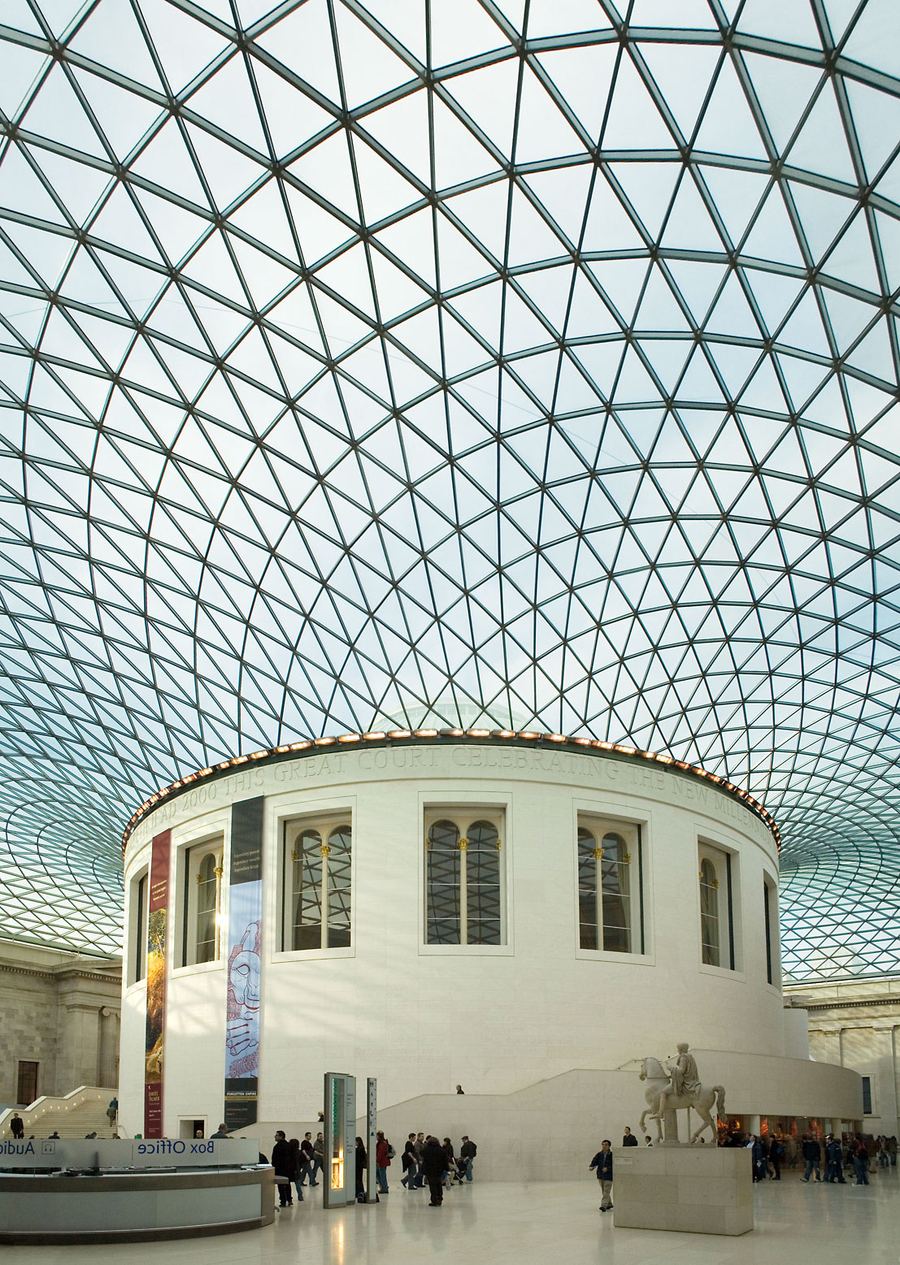
The first residency opened at the British Museum in 2010. More than 160 institutions have hosted one since: national libraries and archives, art museums, research universities, scientific societies, publishers, and government agencies across several continents.
Your institution holds expertise, collections, and records that people are searching for. Wikipedia is where that search lands. The resident stands between the two and carries knowledge across, in a form that survives the scrutiny of thousands of other editors.

What the work looks like
The mix shifts by institution. A resident at an archive spends the year differently from one at a scientific publisher. Nearly every strong residency still covers this ground.
Writing and improving articles
Sit with curators, librarians, and researchers to find what is missing, then write and expand articles to community standards.
Training staff and the public
Run workshops so staff, volunteers, and visitors learn to contribute, and keep contributing after the residency ends.
Events and outreach
Host edit-a-thons, write for the blog, join discussions on-wiki, and be the institution's face in the community.
Releasing content under open licenses
Help the organization release images, audio, video, and data on Wikimedia Commons, where anyone can use them.
Structured data on Wikidata
Turn collection records into linked, machine-readable data that feeds infoboxes, knowledge panels, and research tools.
Connecting with peer institutions
Trade templates and lessons with other residents and with institutions running similar programs.
Making the case for open access
Make the case inside the building for open data and open publishing, with results on the platform to back it.
Building a lasting practice
Leave behind trained colleagues and a habit of contributing that outlasts any single resident.
Writing the institution's own playbook
Write the style guides, templates, and project pages that make every future edit faster and better.
Measuring what happened
Track articles, citations, uploads, and pageviews, and report them in terms leadership can act on.
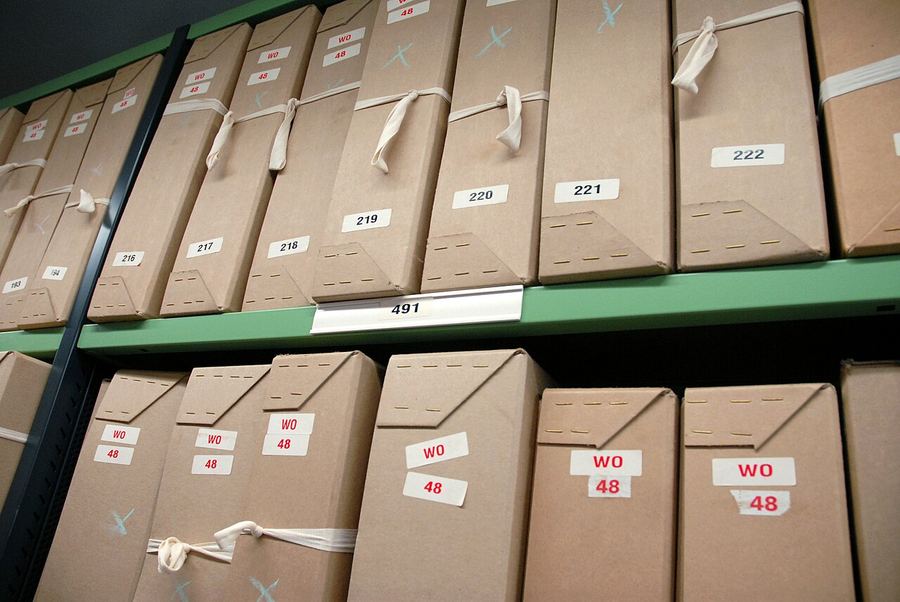
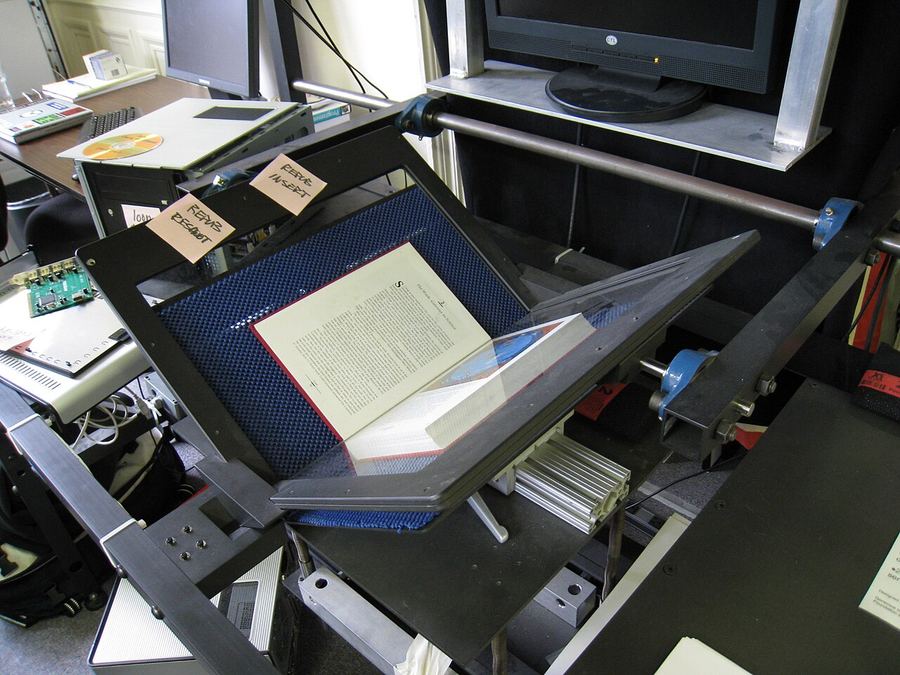
What one resident can deliver
These figures come from one Wikipedian in Residence at Annual Reviews, a nonprofit scientific publisher, over a single year. The resident added citations to peer-reviewed review articles, wrote new entries where coverage was thin, and did it all by the community's ordinary rules.
Pageviews make the headline, and 104 million of them is reach no communications budget could buy. The rest compounds: structured data on Wikidata that feeds search results, open-licensed media picked up by textbooks and newsrooms, and Wikipedia text that shapes what search engines and AI assistants say about an institution and its field.
“The Archives is involved with Wikipedia because that’s where the people are.”
Who has hosted one
A partial roster. If you are making the case inside your own organization, the names in your sector will do much of the persuading for you.
Museums and galleries
- British Museum
- Smithsonian Institution
- Museum of Modern Art
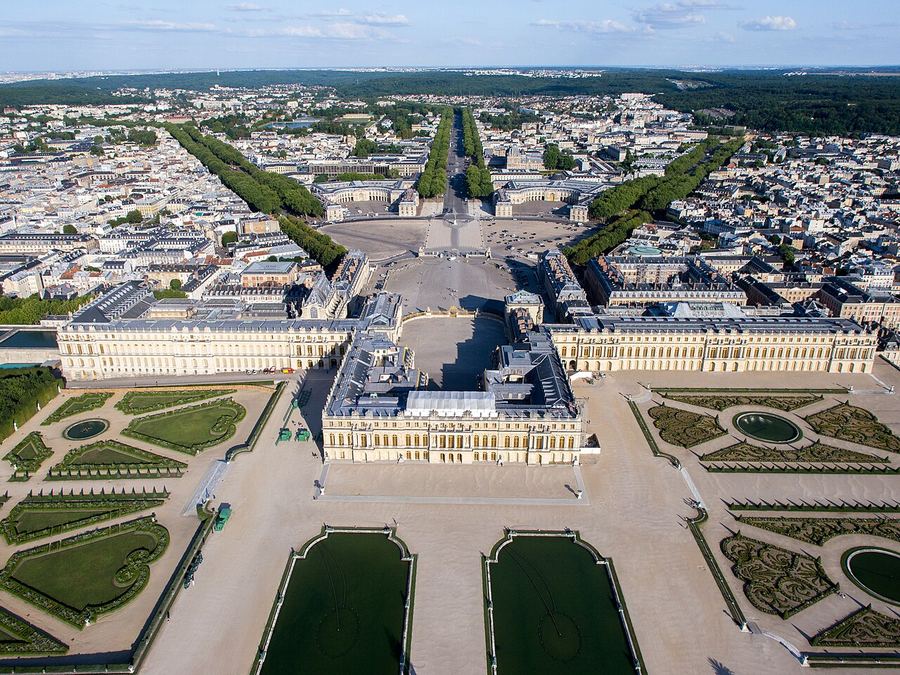
- Palace of Versailles
- Museu Picasso
- Museo Soumaya
- Derby Museum and Art Gallery
- American Folk Art Museum
- Africa Centre
Libraries and archives
- US National Archives
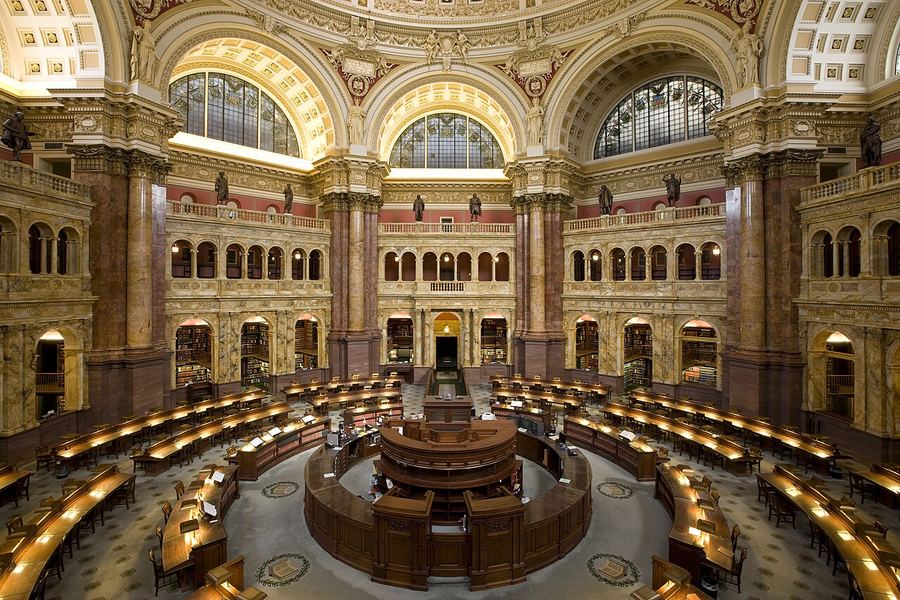
- British Library
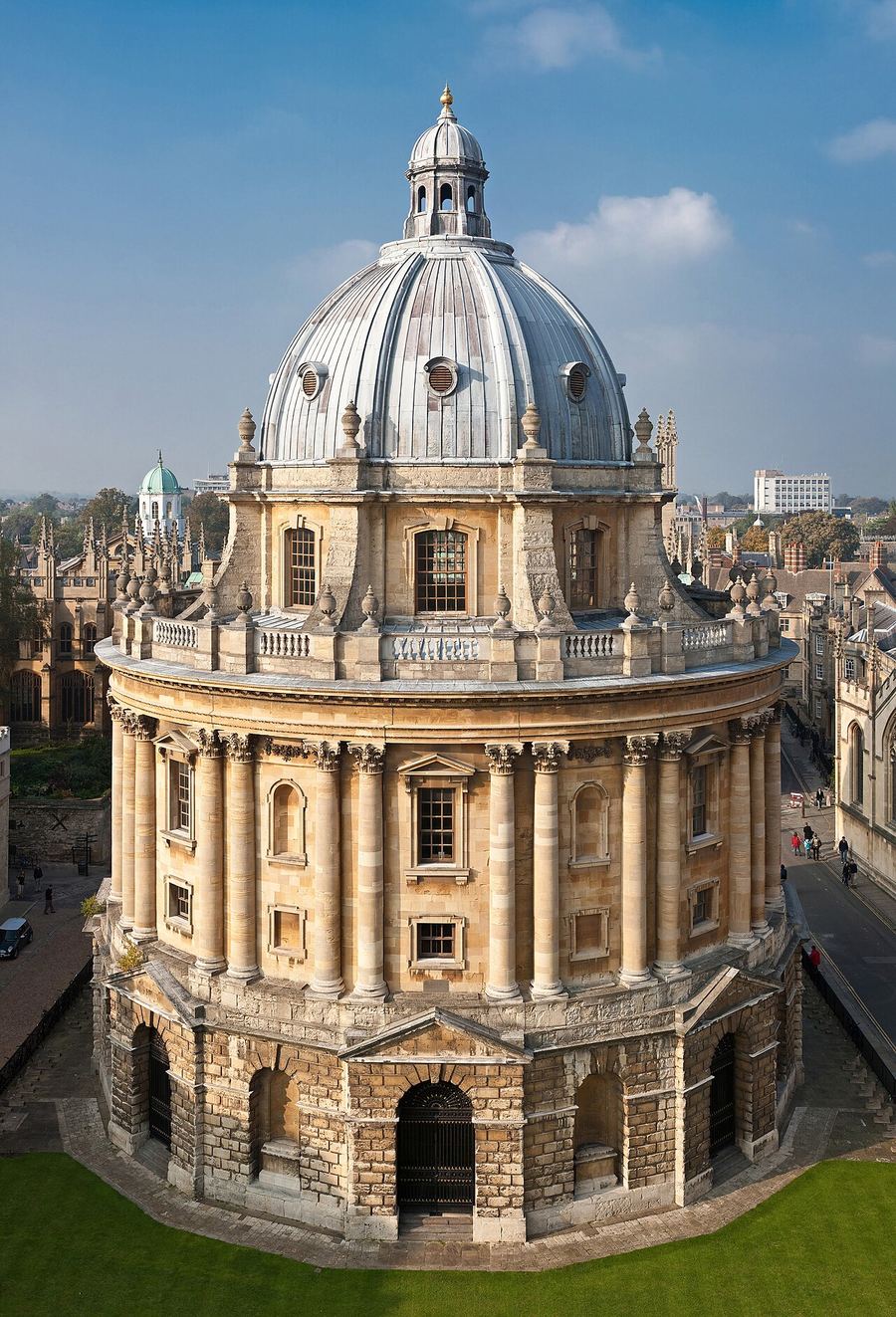
- Bodleian Libraries, Oxford
- Houghton Library, Harvard
- Library and Archives Canada
- National Library of Wales
- National Library of Scotland
- National Library of Norway
- Biblioteca Nacional de Chile
- Federal Archives of Switzerland
- Milton Public Library
Science and medicine
- The Royal Society
- Royal Society of Chemistry
- Cochrane
- Cancer Research UK
- Natural History Museum, London
- NIOSH
- Biodiversity Heritage Library
Universities
- University of Edinburgh
- Columbia University
- UC Berkeley
- University of Toronto
- Concordia University
- CUNY
- West Virginia University
Publishers and media
- Annual Reviews
- Consumer Reports
- TED
- The Conversation
Government and civic
- Gerald R. Ford Presidential Library
- Swedish Performing Arts Agency
- Equis
For institutions
How a residency comes together
Every organization and every editor is different. Successful residencies still pass through the same eight stages, in roughly this order.
Ask around
Talk to peer institutions that have hosted one. Collect ideas and build interest in-house before you propose anything.
Decide what you want to share
Which collections, which expertise, in what form, with whom. Specific goals become results you can report.
Check your capacity
A point person on staff, a budget line, a workspace, IT access, and a realistic length for the engagement.
Recruit and select
Write an inviting position description, circulate it through the Wikimedia community, interview the strongest fits, and make an offer.
Onboard and plan
Bring the resident into meetings and teams, set a check-in rhythm, and agree on a plan for the first quarter.
Do the work
Write, upload, train, host events, and find allies inside and outside the building. The output compounds month by month.
Measure and report
Track edits, articles, uploads, and pageviews. Circulate highlights every month and close with a summary.
End or extend
Plenty of six-month positions turn into multi-year programs once the results are visible. Decide with the evidence in hand.
What it costs
Budgets vary widely. A part-time resident on a fellowship or grant can run well under $50,000. A full year at thirty hours a week, with outside help on recruitment and coaching, runs closer to $100,000. Year two usually costs less, because the institution has learned to carry the work itself.
What it asks of you
A champion at director level who will stand up for the program. A point person who can give the resident two to four hours a week. Sign-off from legal on licensing and disclosure. And patience: pageviews build over months, and the first quarter is mostly setup.
How it can be funded
Operating budgets, foundation grants, and Wikimedia affiliate grants have all paid for residencies. Fellowships, paid internships, and visiting positions are common shapes, and several institutions split the cost with a partner foundation.
Questions leadership will ask
Isn't paid editing against the rules?
Disclosed paid editing is allowed, and Wikipedia's conflict-of-interest guideline names Wikipedians in Residence as an accepted form of it. The conditions: the resident discloses the arrangement, edits neutrally, and never acts as a publicist for the host. The companion guidance for cultural professionals goes further and encourages curators, librarians, and archivists to contribute.
Will the community push back?
Residencies have run for more than fifteen years with broad community support, and the volunteers most active in this area run their own exchange network. Pushback arrives when disclosure is missing or edits drift into promotion. Showing up early and openly on-wiki prevents most of it.
Could the resident introduce bias?
Bias is the most closely policed failure on the platform, and other editors catch it fast. A good resident is a defense against it: they cite carefully, leave well-sourced criticism intact, and steer clear of articles about the host's own donors, trustees, and reputation.
How much staff time will this take?
Less than most people expect. An orientation at the start, then two to four hours a week from a point person. By month three the resident is usually producing work the communications team wants to share.
What happens when the resident leaves?
A well-run residency treats documentation as a deliverable. Style guides, project pages, dashboards, and a trained internal champion keep the institution editing after the contract ends. Programs that skip this step tend to go stale within a year.
For editors
Who becomes a resident
Residents are senior volunteers who already know how the encyclopedia works: sourcing, notability, neutrality, the manual of style, and the unwritten conventions that decide whether an edit sticks. Most have thousands of edits and a record of collaboration that other editors recognize.
The job is at least half people work. A resident explains Wikipedia to curators who have never edited, explains the institution to editors who have never visited, and settles disagreements between the two in real time. Teaching well and writing clearly matter as much as wiki fluency.
Subject knowledge helps. Readiness to learn helps more. The resident has to spot where coverage is thin, then research well enough to fill the gap with more than a stub.
Around 200 people have held the title. There should be far more. Fuller-time positions, competitive pay, professional development, and repeatable funding turn a one-off residency into a career, and make institutions comfortable hiring for it.
Money. Prove your value early.
Tie the work to what the institution cares about. Say where the funding comes from and show what it buys, in visibility and in mission. Watch for grants, too. Institutions extend roles that bring in resources.
Metrics. Numbers open doors.
Pageviews are the headline. Pair them with citations added, articles created and improved, Wikidata statements, languages covered, and Commons reuse, all drawn from public tools anyone can check.
Mentor. Find a champion.
You need an ally with clout who will argue for the program in rooms you are not in. Then build a network across departments, so the role never rests on one relationship.
Message. Do not work in silence.
Report what you accomplish, write up case studies, get into the newsletter, give talks. Steady communication keeps the role visible and tends to bring the next collaboration to your door.
“We are doing the same thing for the same reason, for the same people, in the same medium.”
Further reading
Where to go next
- The Successful Wikipedian in Residence (free PDF)WikiBlueprint’s guide to selection, execution, mentorship, and impact, the source for much of this page.
- Wikipedian in Residence on Outreach WikiThe movement's own overview of the role, with a directory of past and current positions.
- Wikimedians in Residence Exchange NetworkThe peer network for people doing the job. Openings, advice, and peer support.
- Wikipedia:GLAMThe project page for galleries, libraries, archives, and museums working with Wikipedia.
- This Month in GLAMA monthly newsletter of institutional partnerships around the world.
- Wikipedia's conflict-of-interest guidelineThe rules on paid and affiliated editing, including the section on residents.
- Wikipedian in residence on WikipediaThe encyclopedia's own article on the role and its history.
- Wikimedia Consultants NetworkIndependent professionals who help institutions set up and run Wikimedia work.
- Wikimedia Commons and WikidataThe two sister projects where most institutional content sharing happens.
About this website
This site is published by WikiBlueprint, a Wikipedia consultancy based in Santa Cruz, California. WikiBlueprint has set up and supervised ten Wikipedian in Residence programs for other institutions over the past decade: two at Annual Reviews, and one each at Cochrane, the Smithsonian's Biodiversity Heritage Library, Pérez Art Museum Miami, Equis Research, Milton Public Library, West Virginia University Library, the Marilyn Brachman Hoffman Foundation, and the Sharjah Archaeology Authority. That experience carries over: the recruiting, onboarding, policy questions, and reporting that make a residency succeed are much the same from one institution to the next.
The firm works end to end. It defines the role two to three months before a resident starts, writes the position description, sources candidates from inside the global Wikimedia community, and sits beside the institution through final interviews. Once the resident is in place, WikiBlueprint spends six to twelve months as guide, coach, and troubleshooter: setting the check-in rhythm and the quarterly plan, building the metrics dashboard, and training the internal champion who carries the program after the engagement closes.
WikiBlueprint is a member of the Wikimedia Consultants Network and works strictly in an advisory role. It does not edit Wikipedia on a client's behalf, does not remove properly sourced criticism, does not engage in advocacy editing, and does not use AI to write encyclopedia content. Those lines are what let its residents keep the trust of the community their work depends on, and they are not negotiable.
WikiBlueprint was founded by Jake Orlowitz, who founded and led The Wikipedia Library at the Wikimedia Foundation from 2011 to 2019, negotiated free access for editors to more than 100,000 scholarly journals, created the #1Lib1Ref citation campaign, and built the Wikipedia Adventure tutorial. He has edited Wikipedia for nineteen years, is an English Wikipedia administrator, and has spoken about residencies at Wikimania, Stanford, and IFLA. His free guide, The Successful Wikipedian in Residence, goes deeper on everything here.